.png)
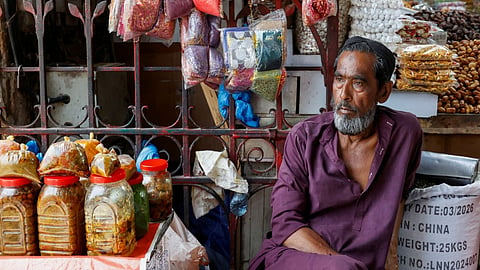
Lahore’s poorest squeezed as food and fuel inflation deepens cost-of-living crisis
Rising food, fuel and transport costs are putting mounting pressure on low-income families in Lahore, with households increasingly struggling to manage essential expenses as inflation continues to erode purchasing power.
The latest official data underline the pressure facing consumers across Pakistan. Short-term inflation, measured through the Sensitive Price Indicator, stood 9.04 per cent higher year-on-year for the week ending August 27. Energy and essential food items remained among the biggest contributors, with petrol nearly 30 per cent and diesel more than 36 per cent costlier than a year earlier.
The impact is particularly severe for poorer households, which spend a larger share of their income on food, transport and utilities. Residents in Lahore have complained that increases in fuel prices are feeding into transportation costs and, in turn, making everyday goods more expensive.
Food budgets come under strain
The prices of several basic commodities remain substantially above their levels a year ago. Official weekly data showed onions were nearly 126 per cent costlier year-on-year, while wheat flour had risen more than 45 per cent and tomatoes nearly 37 per cent.
Although prices of some vegetables and poultry declined during the latest week, the broader cost-of-living pressure remains. In Lahore, recent supply disruptions caused by monsoon rains and transport-related problems have also contributed to differences between officially notified prices and what consumers actually pay in markets.
For families surviving on modest or irregular incomes, such increases can force difficult choices over spending. Households have to stretch limited earnings across food, electricity, transport, rent, healthcare and education, leaving little room to absorb repeated price shocks.
Fuel costs ripple through economy
Energy prices have emerged as another major source of pressure. Besides the sharp annual increases in petrol and diesel, LPG prices were more than 55 per cent higher year-on-year in the latest weekly inflation data.
Higher fuel prices have effects far beyond motorists. They raise the cost of moving vegetables, grains and other goods from farms and wholesale markets to neighbourhood retailers, with at least part of the additional expense eventually reaching consumers.
Pakistan’s headline inflation stood at 9.2 per cent in July, and analysts expect it to move back into double digits in August as food and transport costs rise. Estimates have placed August inflation in the region of 10.75-11.3 per cent.
Low-income households face hardest choices
For Lahore’s economically vulnerable residents, the headline numbers translate into a daily struggle to preserve basic consumption. Even relatively small increases in food or commuting expenses can significantly disrupt household finances when earnings remain limited.
The continuing pressure also illustrates why inflation can affect income groups differently. Wealthier households can cut discretionary expenditure or draw on savings, while poorer families have fewer expenses they can eliminate because much of their income is already devoted to necessities.
With food and energy costs remaining volatile, relief for Lahore’s poorest households will depend heavily on whether commodity supplies stabilise and fuel-related pressures ease in the coming months.
