.png)
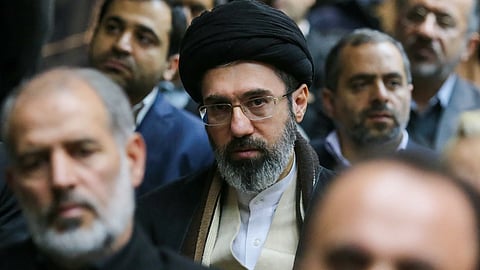
Iran's Supreme Leader orders intelligence ministry overhaul after series of security failures
Iran's Supreme Leader Ayatollah Mojtaba Khamenei has ordered a major restructuring of the country's intelligence apparatus following a series of security failures that exposed vulnerabilities within Tehran's security establishment.
Iranian Parliament Speaker Mohammad Baqer Qalibaf announced the decision on Sunday, urging the government to appoint a permanent intelligence minister once the proposed legislation receives clearance from the Guardian Council, Iran's constitutional watchdog.
The ministry has been without a permanent head since Esmail Khatib was killed in an Israeli strike on March 18 this year.
Khatib, a conservative cleric who assumed charge of the ministry in August 2021, had previously served in the office of former Supreme Leader Ayatollah Ali Khamenei, who was killed in US-Israeli strikes at the beginning of the Iran war.
𝗣𝗮𝗿𝗹𝗶𝗮𝗺𝗲𝗻𝘁 𝗮𝗽𝗽𝗿𝗼𝘃𝗲𝘀 𝗿𝗲𝗳𝗼𝗿𝗺 𝗳𝗿𝗮𝗺𝗲𝘄𝗼𝗿𝗸
Qalibaf said Parliament had initially sought a legislative proposal from the government to restructure the intelligence ministry. However, following delays, lawmakers decided to initiate the reforms themselves.
On Sunday, Parliament approved the broad framework of the proposed legislation and began examining its individual provisions.
Among the significant changes under consideration is an expansion of the eligibility criteria for the intelligence minister's position, allowing candidates from outside Iran's religious establishment to head the agency.
Under the proposed provisions, non-clerical candidates would require a master's degree, professional expertise in intelligence affairs and a minimum of 10 years of experience in middle- or senior-level management.
Individuals qualified in ijtihad, the practice of independent interpretation of Islamic law, would also remain eligible for the position.
𝗥𝗲𝗽𝗲𝗮𝘁𝗲𝗱 𝘀𝗲𝗰𝘂𝗿𝗶𝘁𝘆 𝗯𝗿𝗲𝗮𝗰𝗵𝗲𝘀
The restructuring follows several high-profile incidents that have raised questions about Iran's ability to counter foreign intelligence operations.
The assassination of Iranian nuclear scientist Mohsen Fakhrizadeh in 2020 and the killing of Hamas political leader Ismail Haniyeh in Tehran in 2024 highlighted significant weaknesses in the country's security apparatus.
These vulnerabilities became increasingly apparent during the 12-day conflict with Israel in June 2025, which saw Iranian military infrastructure and senior commanders targeted.
The proposed institutional overhaul comes as Tehran faces continuing military pressure and mounting scrutiny of its domestic security mechanisms.
The legislation remains under parliamentary consideration, and no permanent successor to Khatib has been announced.


