.png)
Strait of Hormuz 'open for India' says Iran's envoy as Iran signals possible escalation

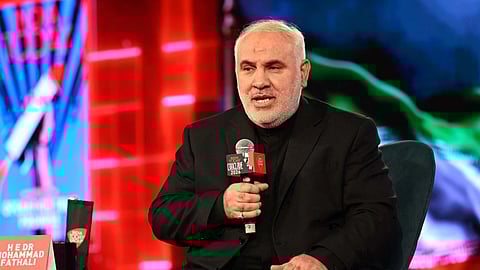
Iran’s Ambassador to India, Mohammad Fathali, has assured that the Strait of Hormuz will remain open for Indian vessels, even as Tehran warned of serious economic repercussions if a US naval blockade in the Persian Gulf materialises. He also indicated that hostilities could resume if Washington does not withdraw what Iran terms “unlawful demands.”
In his first public remarks since the collapse of Iran-US talks in Islamabad, Fathali said India has been specifically identified by Iran’s foreign minister as one of five friendly nations. He added that direct government-level communication is already underway to ensure safe passage for Indian ships through the strategically vital strait.
Fathali emphasised that Tehran maintains strong engagement with New Delhi to facilitate uninterrupted maritime movement, a critical factor given India’s energy dependence and the volume of global oil trade passing through the Strait of Hormuz, which accounts for nearly a fifth of worldwide shipments.
On the breakdown of the Islamabad negotiations, the envoy accused the United States of approaching the dialogue with a rigid stance. According to him, Iran had conveyed its willingness to continue discussions if its rights and interests were respected, but alleged that Washington’s position reflected demands rather than a spirit of negotiation.
He also referred to Iran’s past experience with the United States, particularly Washington’s withdrawal from the 2018 nuclear agreement, describing it as a factor behind Tehran’s scepticism. The future of any diplomatic engagement, he suggested, hinges on whether the US recalibrates its approach.
Warning of wider global consequences, Fathali said any disruption or blockade of the Strait of Hormuz would have far-reaching implications for international trade, economic stability, and energy markets, with oil prices likely to react sharply in the near term.
Addressing recent regional tensions, he clarified that Iran’s military actions were directed at US bases allegedly used to target Iranian infrastructure, and not at neighbouring countries, with whom Tehran maintains stable relations.
Separately, Iran has alleged that external factors influenced the breakdown of the Islamabad talks. Foreign Minister Seyed Abbas Araghchi claimed that a call from Israeli Prime Minister Benjamin Netanyahu to US Vice President JD Vance during the negotiations shifted the focus away from the talks, undermining progress towards a potential agreement.

