.png)
Punjab launches Rs 65 crore biogas project to clean Ludhiana’s Budha Nallah

The Punjab government has launched a Rs 65-crore compressed biogas (CBG) project in Ludhiana aimed at tackling dairy waste entering the heavily polluted Budha Nallah and converting cattle dung into clean energy.
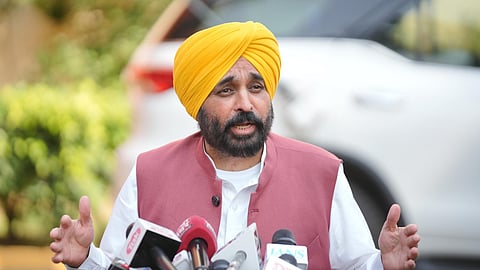
The project, launched by Chief Minister Bhagwant Mann on Friday, is being developed at the Haibowal Dairy Complex, one of the city's major dairy clusters. It is expected to process around 300 tonnes of cattle dung every day, preventing a substantial quantity of untreated waste from entering the drain.
The initiative forms part of the state government's efforts to address pollution in Budha Nallah, which flows through Ludhiana and has long faced contamination from sewage, industrial discharge and dairy waste.
Dung to clean fuel
The plant will use cattle dung generated at the dairy complex to produce compressed biogas, turning a major source of pollution into a renewable-energy resource.
Once fully operational, the facility is expected to produce around 10 tonnes of CBG daily. The project will also generate organic manure as a by-product, which can be used in agriculture.
The government expects the facility to reduce the dumping of dairy waste into the drainage network and improve waste management in areas surrounding the dairy complex.
Mann said the project represented an approach in which environmental protection and clean-energy generation could be pursued together.
The state government is also working on measures to prevent untreated sewage and industrial effluents from entering Budha Nallah.
Pollution challenge
Budha Nallah has emerged as one of Punjab's most serious environmental concerns. The drain passes through Ludhiana before eventually joining the Sutlej and has faced years of pollution from domestic sewage, industrial effluent and waste generated by dairy units.
Cattle dung from dairy complexes has been identified as one of the contributors to the drain's deteriorating condition. Improper disposal can increase the organic load in the water and put additional pressure on sewage-treatment infrastructure.
The new CBG plant is intended to provide a structured system for collecting and processing this waste instead of allowing it to reach the drain.
Wider clean-up effort
The project comes amid a broader push by the Punjab government to restore Budha Nallah through improved sewage treatment, tighter checks on industrial discharge and better management of solid and dairy waste.
Authorities have faced criticism over the years over delays in cleaning the waterway despite repeated interventions and expenditure on pollution-control projects.
The government hopes the Haibowal facility will provide a long-term solution to one significant source of pollution while simultaneously producing renewable fuel.
Besides improving the condition of Budha Nallah, the project is expected to contribute to Punjab's clean-energy goals and demonstrate how large quantities of animal waste generated by urban dairy clusters can be converted into an economic resource.

