.png)
Kejriwal alleges ‘massive’ voter-list tampering in Delhi polls, EC rejects charge
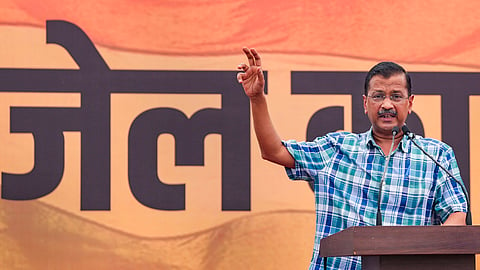
AAP chief Arvind Kejriwal on Wednesday alleged that electoral rolls were “massively tampered” with to help the BJP win last year’s Delhi Assembly election, triggering a sharp rebuttal from the ruling party and a clarification from the Election Commission. Citing a media report on changes in the New Delhi constituency’s electoral rolls, Kejriwal alleged that the findings showed how the BJP had won Delhi. Senior AAP leader Manish Sisodia separately claimed that a large number of “fake votes” had been created ahead of the election and subsequently removed during the ongoing Special Intensive Revision (SIR). The Election Commission rejected the inference, saying figures from different stages of electoral-roll revision could not by themselves establish that any deletion or non-inclusion was wrongful or mala fide.
AAP raises questions
Kejriwal, who lost the New Delhi constituency to BJP leader Parvesh Verma in the 2025 Assembly election, cited a report examining voters added to the constituency shortly before the polls and their status in the latest draft roll. “So, this is how Modi ji won Delhi. By massively tampering with the voter lists,” Kejriwal said while also wishing the Prime Minister on his birthday. Sisodia went further, alleging that 40 to 50 “fake votes” had been created at individual addresses and later disappeared following the SIR exercise. He claimed that around 40 per cent of the votes cast in the election were “fake” and questioned what cognisance the Election Commission would take of the matter. The allegations were not independently established.
The controversy centres on electoral-roll changes in the New Delhi constituency, where a significant proportion of voters enrolled shortly before the 2025 election do not figure in the draft roll prepared under the SIR. The ongoing revision has involved house-to-house verification by Booth Level Officers and classification of electors found absent, shifted, duplicate or dead. The Election Commission stressed that absence from the draft roll was not necessarily a final deletion and eligible electors could seek inclusion through the prescribed claims process.
BJP rejects charge
Verma, now Delhi’s PWD Minister, dismissed the AAP’s allegations and maintained that “not a single vote was tampered with” either during the Assembly election or the SIR. He said changes in voter numbers in some areas could be explained by redevelopment projects, including the demolition and subsequent reconstruction of government flats in Sarojini Nagar, which had resulted in residents moving out and later returning. Verma also questioned the arithmetic behind the AAP’s allegations, arguing that if tens of thousands of votes had actually been manipulated, the electoral margins would have reflected such a large intervention.
The Election Commission said electoral rolls were continuously updated and names could change because of migration, death, duplicate enrolment or failure to meet eligibility requirements. It said the Absent, Shifted, Duplicate or Dead lists at polling-booth level were prepared and checked through meetings involving Booth Level Officers and Booth Level Agents representing political parties, and that no prior objection had been received during preparation of the lists.
EC explains process
The poll body said visits undertaken by BLOs during the enumeration exercise, including the delivery and collection of physical enumeration forms and verification of forms submitted online, were recorded and documented. It stressed that each case involving deletion or non-inclusion had to be assessed individually on the basis of eligibility, field verification, supporting documents and the procedure prescribed under election law.
The Commission also clarified that eligible voters whose names were missing from the draft electoral roll still had an opportunity to seek inclusion. The competing claims have added another political dimension to the ongoing SIR in Delhi, which has already generated disputes over the scale of exclusions from the draft rolls and the process used to verify electors.


