.png)
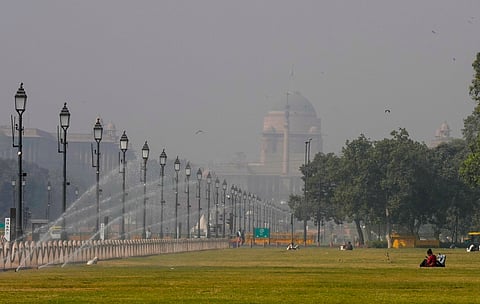
Delhi records 179 clean air days till September 15, 'highest in a decade', says government
Delhi recorded 179 clean air days between January 1 and September 15 this year, the highest number in a decade for the corresponding period, Environment Minister Manjinder Singh Sirsa said on Tuesday, attributing the improvement to sustained measures targeting road dust, waste and vehicular pollution. According to data shared by the Environment Department, the Capital had recorded 172 clean air days during the same period in 2025, compared with 94 in 2016, an increase of 85 days over the decade. Comparable figures for each of the intervening years from 2015 to 2024 were not immediately available.
Delhi’s Air Quality Index (AQI) stood at 98 on Tuesday, placing it in the ‘satisfactory’ category. Sirsa described the increase in clean air days as evidence of a sustained improvement in the city’s air quality and said the government would continue strengthening pollution-control measures. The improvement assumes significance for a city that routinely struggles with severe air pollution, particularly during the winter months when meteorological conditions, local emissions and pollution from surrounding regions can combine to push the AQI into the ‘very poor’ and ‘severe’ categories.
Dust control intensified
The government said mechanised road cleaning remained a key part of its pollution-control programme. In the previous 24 hours, 81 mechanised road sweepers covered around 2,279 km of roads and collected nearly 170 tonnes of road dust for scientific disposal. Authorities also removed approximately 2,113 tonnes of construction and demolition waste and cleared nearly 12,715 tonnes of garbage during the period.
Road and construction dust are among the important contributors to particulate pollution in Delhi, making regular mechanical sweeping, water sprinkling and enforcement at construction sites central to the government’s mitigation strategy. The administration said these measures would continue alongside action against other major sources of pollution.
Vehicles face checks
Enforcement against vehicular pollution was also stepped up, with 4,976 challans issued for violations in the previous 24 hours. Vehicular emissions remain a major source of pollution in the Capital, particularly along heavily congested corridors, and authorities have increasingly relied on inspections and penalties as part of efforts to reduce emissions from non-compliant vehicles.
The government said enforcement would remain a core component of its long-term strategy, alongside dust mitigation and scientific waste management. Public participation would also be required to sustain improvements, particularly as Delhi approaches the months when air quality traditionally deteriorates.
Landfill waste processed
Waste management efforts continued at Delhi’s three major landfill sites, with around 19,212 tonnes of legacy waste processed through biomining at Bhalswa, Ghazipur and Okhla. The enormous waste mounds have long posed environmental challenges, including dust, fires and emissions, and their remediation has become an important part of the Capital’s broader pollution-control programme.
The government said the rise from 94 clean air days in 2016 to 179 this year represented substantial progress, but the coming weeks will present the more difficult test. Delhi’s air pollution typically worsens during October and intensifies through winter. Maintaining the gains recorded until September will therefore depend on sustained enforcement and the effectiveness of measures against dust, vehicles, waste burning and other pollution sources as unfavourable seasonal conditions return.


