.png)
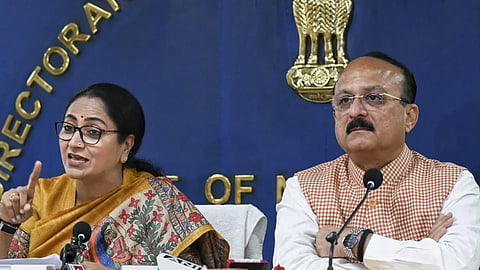
Delhi hikes rooftop solar subsidy, promises free 3-kW systems for homes using up to 400 units
The Delhi government on Tuesday approved a revised solar policy that substantially increases financial assistance for residential rooftop solar systems and promises zero upfront installation cost for eligible households consuming up to 400 units of electricity a month. Chief Minister Rekha Gupta said the government aims to install rooftop solar systems in 2.3 lakh households by March 2027 as part of its “Green Delhi” initiative. The existing electricity subsidy will continue alongside the rooftop solar benefits.
Under the revised policy, the Delhi government will provide a subsidy of up to Rs 78,000 for a 3-kW rooftop solar system, matching the Rs 78,000 available from the Centre under the PM Surya Ghar scheme. For households consuming up to 400 units a month, the government will provide additional assistance to bridge the remaining installation cost, effectively making eligible systems free for consumers. A standard 3-kW system is estimated to cost around Rs 1.75 lakh.
Subsidy covers installation cost
For a 2-kW system costing around Rs 1.30 lakh, eligible consumers can receive Rs 60,000 from the Centre, Rs 52,000 from the Delhi government and an additional Rs 18,000 to cover the entire installation cost. For a 3-kW system, the Centre and Delhi government will provide Rs 78,000 each, while an additional Rs 19,000 will bridge the remaining cost for households consuming up to 400 units.
Households consuming more than 400 units will also be eligible for the Centre and Delhi government's subsidies for a 3-kW system but will not receive the additional Rs 19,000 assistance. They would consequently have to contribute around Rs 19,000 towards installation.
The revised framework also allows households to earn from surplus electricity supplied to the grid. Depending on consumption and system size, consumers could reduce their electricity bills while receiving payments for excess solar power generated.
Housing societies included
The policy extends support to group housing societies for installing rooftop solar systems in common areas. A proposed 100-kW installation costing about Rs 45 lakh would receive Rs 18 lakh in central assistance and Rs 11 lakh from the Delhi government, leaving a contribution of around Rs 16 lakh.
Gupta said around 10,000 buildings in Delhi currently have rooftop solar installations, with government buildings accounting for a large proportion. The revised policy is intended to accelerate adoption among residential consumers by removing the high upfront cost that has remained a major obstacle to rooftop solar expansion.


