.png)
What is the 'Black Widow' scam? Inside Russia’s fraud targeting soldiers’ death payouts

A disturbing trend has emerged in Russia, where women are allegedly entering into sham marriages with soldiers bound for the Ukraine front in an attempt to claim lucrative state compensation if the servicemen are killed in combat. The women have been dubbed “Black Widows” by Russian media, as authorities investigate a growing number of suspected marriage fraud cases linked to military benefits.
Under Russia's military compensation system, the legal spouse of a soldier killed in action is entitled to a substantial share of government payouts, insurance benefits and survivor pensions. As enlistment bonuses and death compensation have increased since Moscow's invasion of Ukraine, investigators say some women have begun seeking out soldiers shortly before they are deployed.
According to Russian media reports, the pattern is often similar. A soldier signs a military contract, marries a woman he has known only briefly, leaves for the front and is later killed. The widow then claims the compensation while the soldier's parents or relatives challenge the marriage, alleging it was arranged solely to access state benefits.
The case that exposed the trend
One of the most closely watched cases involved Sergey Khandozhko, a 40-year-old Russian contract soldier from the Bryansk region. Khandozhko married a woman the day after signing his military contract in October 2023. Family members later testified that he had never mentioned the bride, the ceremony lasted barely 20 minutes, there were no wedding photographs or rings, and only one guest attended. After the wedding, the bride reportedly continued living with her former husband and children.
When Khandozhko died from injuries sustained in Ukraine, his widow claimed the state compensation. His relatives challenged the marriage in court, arguing it had been arranged solely to obtain the payout.
A Russian court eventually annulled the marriage, ruling that it had been fictitious and intended to unlawfully obtain government compensation. The verdict has since become one of the most cited examples of the so-called "Black Widow" phenomenon.
Why the scam is growing
The financial incentives are significant.
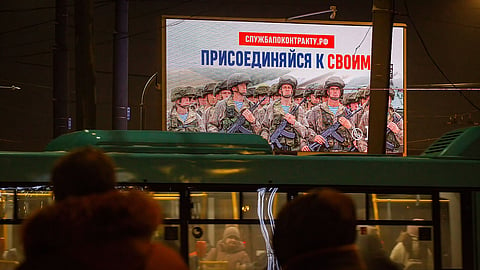
Russia has steadily increased payments to encourage military recruitment as casualties mounted during the war in Ukraine. Besides lucrative enlistment bonuses and monthly salaries, the families of soldiers killed in action can receive millions of roubles in compensation through a combination of federal insurance, regional benefits and survivor pensions.
For many Russians living in economically depressed regions, these payouts far exceed lifetime earnings, creating powerful incentives for abuse. Analysts say the compensation system has unintentionally fuelled fraudulent marriages, inheritance disputes and organised financial scams.
Organised networks under investigation
Authorities believe some cases extend beyond opportunistic individuals.
Investigators and Russian commentators have alleged that organised groups actively search for unmarried soldiers through military offices, social media and local contacts. Some reports claim recruiters persuade vulnerable men—including those struggling with addiction or financial hardship—to enlist and simultaneously arrange marriages designed to secure compensation if they die.
Russian bloggers have even alleged that such networks operate repeatedly, targeting multiple soldiers over time, although many of these claims remain under investigation.
Families increasingly turning to courts
The alleged scams have triggered bitter legal disputes across Russia.
Parents, siblings and children of deceased soldiers have increasingly approached courts seeking to invalidate marriages they describe as fraudulent. Judges are now examining evidence such as the duration of relationships, living arrangements, witness testimony and financial records to determine whether marriages were genuine or merely a vehicle to claim compensation.
Legal experts say these cases have become more common as wartime deaths—and the financial stakes associated with them—have risen.
Political backlash gathers pace
The controversy has also entered Russian politics.
Veterans' organisations and lawmakers have demanded tougher punishment for those found guilty of exploiting soldiers through sham marriages. Some have proposed creating a specific criminal offence for entering into fraudulent marriages to obtain military compensation, while others want stricter verification before benefits are released.
Officials argue that payments intended to support grieving families should not become a source of organised fraud or criminal profiteering.
More than just a financial issue
The debate has also exposed broader social strains created by Russia's prolonged war in Ukraine.
Beyond allegations of financial exploitation, pro-Kremlin commentators have warned that women targeting soldiers could also gather sensitive military information, though no widespread evidence has been produced to substantiate such claims. At the same time, the rise of the "Black Widow" narrative reflects growing unease within Russia over the unintended consequences of generous wartime incentives, including disputes over inheritance, compensation and the exploitation of vulnerable servicemen.

