.png)
Indian students must not be 'exploited': MEA on medical education in Uzbekistan
India on Tuesday said it was engaging with Uzbekistan over issues concerning Indian students pursuing medical education in the Central Asian country, stressing that they must receive quality education and should not be exploited by unscrupulous elements operating in either country.
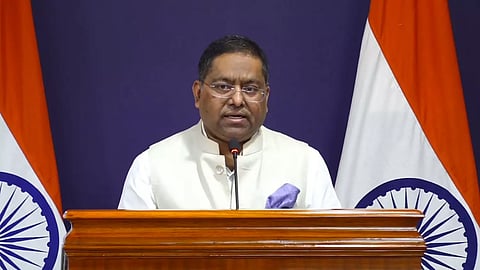
Ministry of External Affairs (MEA) spokesperson Randhir Jaiswal said the government remained committed to safeguarding the interests of Indian students and ensuring that medical courses offered by foreign institutions complied with the guidelines prescribed by the National Medical Commission (NMC).
Responding to questions about a reported decline in the enrolment of Indian students pursuing MBBS courses in Uzbekistan, Jaiswal referred to advisories issued by the Indian Embassy in Tashkent and the NMC.
"We continue to engage with the Uzbek side as far as issues pertaining to Indian students are concerned," he said during a media briefing in New Delhi.
Jaiswal urged students and parents to carefully examine the advisories before seeking admission to foreign medical institutions.
𝗠𝗘𝗔 𝗳𝗹𝗮𝗴𝘀 𝗿𝗶𝘀𝗸 𝗼𝗳 𝗲𝘅𝗽𝗹𝗼𝗶𝘁𝗮𝘁𝗶𝗼𝗻
The MEA spokesperson emphasised that the government's primary concern was ensuring that Indian students received medical education meeting the standards required to practise medicine in India.
He said students travelling to Uzbekistan for medical and other courses should be protected from exploitation by intermediaries and other unscrupulous elements in both countries.
Jaiswal also urged prospective students to consult official advisories to understand the regulatory requirements and potential risks associated with foreign medical programmes.
His remarks came amid reports that Indian MBBS admissions in Uzbekistan had declined from approximately 2,000 to 200.
However, the MEA did not confirm whether India had sought restrictions on admissions or reached any understanding with Uzbek authorities to reduce enrolment.
𝗡𝗠𝗖 𝘄𝗮𝗿𝗻𝘀 𝗮𝗴𝗮𝗶𝗻𝘀𝘁 𝗻𝗼𝗻-𝗰𝗼𝗺𝗽𝗹𝗶𝗮𝗻𝘁 𝗰𝗼𝗹𝗹𝗲𝗴𝗲𝘀
In April, the National Medical Commission issued an advisory cautioning Indian students against enrolling in foreign medical institutions that failed to comply with prescribed regulations.
The commission said several students continued to seek admission to private medical colleges abroad where course structures, training standards and academic timelines were not aligned with Indian regulatory requirements.
It warned that students graduating from institutions that failed to meet these standards could face difficulties obtaining registration to practise medicine in India.
The NMC identified several requirements that students must verify before admission, including the duration of the medical course, medium of instruction, syllabus and curriculum, clinical training and internship arrangements.
The regulator also cautioned against unauthorised offshore medical programmes and advised students to verify institutional credentials before paying admission fees.
𝗜𝗻𝗱𝗶𝗮𝗻 𝗲𝗺𝗯𝗮𝘀𝘀𝘆 𝗶𝘀𝘀𝘂𝗲𝘀 𝗮𝗱𝘃𝗶𝘀𝗼𝗿𝘆
The Indian Embassy in Tashkent had earlier warned students against misleading claims by education consultants and urged them to independently verify the credentials of universities offering medical courses.
The mission said it had received complaints concerning admission procedures and the conduct of certain education consultants.
It also advised students to check whether institutions were admitting students beyond their approved capacity and whether their degrees would satisfy the requirements for medical registration in India.
Concerns highlighted in regulatory communications included inadequate clinical training, language barriers affecting practical instruction and alleged violations of foreign medical graduate regulations.
The embassy urged students to remain vigilant and contact the mission if they encountered difficulties or had doubts about admission-related claims.
𝗤𝘂𝗮𝗹𝗶𝘁𝘆 𝗲𝗱𝘂𝗰𝗮𝘁𝗶𝗼𝗻 𝗿𝗲𝗺𝗮𝗶𝗻𝘀 𝗽𝗿𝗶𝗼𝗿𝗶𝘁𝘆
The MEA maintained that its engagement with Uzbekistan was focused on protecting students' interests and ensuring compliance with Indian medical education standards.
Jaiswal said the government wanted students pursuing medical education abroad to receive qualifications that would allow them to meet the requirements of the NMC upon returning to India.
The Centre's latest statement reinforces its warnings to students and parents to exercise caution when selecting foreign medical colleges, particularly when admissions are arranged through private consultants.
The government has advised prospective applicants to rely on official information and independently verify the recognition, academic standards and clinical training facilities of institutions before committing to overseas medical education.


