.png)
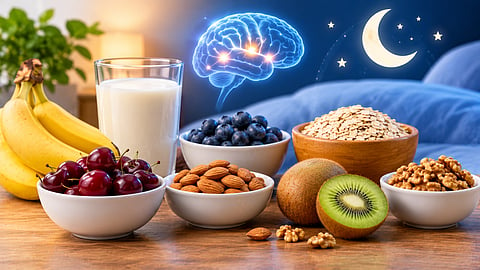
Sleepless nights? These foods may help your body prepare for better rest
Getting a good night's sleep is vital for overall health, but it remains a challenge for many people. Stress and anxiety can make it difficult to fall asleep, while dietary choices and eating patterns may also influence how well the body rests.
According to the US Centres for Disease Control and Prevention (CDC), 30.5% of American adults slept for fewer than seven hours a day in 2024. While no single food can guarantee a restful night, following a balanced diet and making a few changes to evening eating habits may help support better sleep.
Dietary patterns such as the Mediterranean diet and the Dietary Approaches to Stop Hypertension (DASH) plan have been associated with healthier sleep habits. The DASH plan focuses on vegetables, fruit and whole grains, as well as foods rich in potassium, calcium, magnesium and fibre. It also recommends limiting saturated fat, sodium and added sugar.
A 2025 systematic review and meta-analysis of 62 studies found that people who followed the Mediterranean diet more closely were more likely to report getting sufficient sleep and experiencing better sleep quality. However, the findings establish an association rather than proving that the diet directly improves sleep.
Foods and nutrients to include in your diet
Certain foods contain nutrients involved in the body's natural sleep processes. Tryptophan, for instance, is an amino acid that the body uses to produce serotonin and melatonin, which play roles in regulating sleep.
Soybeans and pumpkin seeds are sources of tryptophan. Poultry, oats, cashews and pumpkin seeds also provide zinc, while almonds and cashews contain magnesium. Nuts such as almonds, pistachios and walnuts can make convenient evening snacks. Some nuts also contain small amounts of melatonin, making a handful of raw or toasted nuts an option when hunger strikes before bedtime.
Eggs, fortified milk and certain fortified cereals provide vitamin D or B vitamins. These nutrients contribute to several bodily functions, although there is not enough evidence to establish that eating these foods directly improves sleep.
Carbohydrates may also have a role in the body's sleep processes. Nutritionist and registered dietitian Keri Romerdahl suggests including carbohydrates with the evening meal, as they can influence the availability of tryptophan. However, research has not established a particular carbohydrate intake or meal timing that should be followed specifically to improve sleep.
Brown rice and whole-grain bread are sources of complex carbohydrates and fibre. Including them in a balanced evening meal can contribute to overall nutritional health.
Fruits can be another convenient option. Bananas, for example, provide potassium and can be eaten as a light evening snack.
Can warm milk and herbal tea help?
A glass of warm milk before bed is a familiar bedtime ritual in many Indian households. Long before turmeric lattes became popular in cafes, Indian grandmothers would add turmeric powder, peppercorns and other spices to warm milk.
Kanchan Koya, a Harvard-trained holistic health coach, describes the drink as a "potent brew" from her grandmother's kitchen. Her version includes warm milk with spices such as cinnamon, nutmeg, pepper and turmeric.
Milk contains tryptophan, but evidence that drinking it warm directly improves sleep remains limited. The drink may nevertheless offer a comforting addition to an evening routine.
Herbal and floral teas are another option for those who enjoy a warm beverage before bed. Chamomile, in particular, has a delicate flavour and contains apigenin, a plant compound being studied for its potential calming effects. However, there is limited evidence that chamomile tea improves sleep. Caffeine-free lavender and other herbal blends can also be considered as part of a relaxing bedtime routine.
Tart cherry juice has attracted attention for its possible sleep-related benefits. A 2025 systematic review of seven intervention studies found that some reported improvements in sleep duration or quality, although the results were inconsistent. More research is needed before the juice can be recommended specifically as a sleep aid.
Evening snacks and meal choices
Eating a large meal close to bedtime can cause discomfort, particularly for people prone to heartburn or acid reflux. However, going to bed hungry may also make it difficult to settle down.
In Eat to Sleep, Meyer recommends 80 recipes, including popcorn with Parmesan cheese and fruit served with cottage cheese. These can be nutritious choices for people who feel hungry before bed, although no individual snack can guarantee better sleep.
The focus should be on choosing a light, balanced option rather than having a heavy meal late at night.
Eating habits that may disrupt sleep
While certain foods can contribute to a nutritious diet, some eating and drinking habits may interfere with rest. A few adjustments to the evening routine may help.
Avoid large meals close to bedtime: Try to finish dinner two to three hours before going to sleep, particularly if you experience nighttime heartburn. Large meals, especially those high in fat, can cause digestive discomfort. If you feel hungry later, a small snack may be more comfortable.
Limit caffeine later in the day: Coffee, caffeinated tea and other sources of caffeine can interfere with sleep. Research published in 2024 found that a high dose of caffeine could disrupt sleep even when consumed several hours before bedtime. Chocolate also contains caffeine, although the amount varies.
Be cautious with alcohol: Alcohol may initially make you feel sleepy, but it can disrupt sleep later in the night. Feeling drowsy after drinking does not necessarily mean you will get good-quality rest.
Pay attention to spicy and fatty foods: These may trigger heartburn or acid reflux in some people, particularly when eaten close to bedtime. If certain foods regularly cause discomfort at night, consider adjusting when or how much you eat.
Keep track of your food and sleep patterns: Maintaining a sleep and food log can help identify possible connections between evening meals and the quality of your rest. Recording what you eat and how you sleep afterwards may help you recognise patterns over time.
Food is only one part of healthy sleep
A nutritious diet can support overall health, but better sleep does not depend on finding one perfect food. Maintaining a balanced eating pattern and making thoughtful changes to evening meals may help, but they are not a substitute for addressing persistent sleep difficulties.
Ultimately, the Mediterranean and DASH eating patterns offer ways to prioritise nutrient-rich foods, while limiting caffeine, alcohol and heavy meals close to bedtime may help reduce common sleep disruptions. The evidence for individual foods remains limited, so consistency in overall eating habits is more important than relying on a particular ingredient or bedtime drink.


