.png)
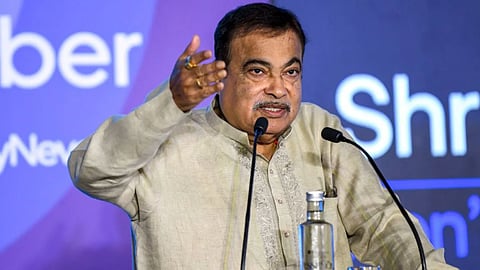
'Not responsible for E20 fuel' | Here is what Gadkari has claimed in his suit before Bombay HC
Union Road Transport and Highways Minister Nitin Gadkari has approached the Bombay High Court seeking the removal of allegedly defamatory posts, AI-generated deepfakes and manipulated content circulating on social media platforms, arguing that criticism of the Centre's E20 ethanol-blending policy has been wrongly personalised by falsely portraying him as the architect and beneficiary of the programme.
The civil suit, filed through advocate Sandeep Ladda, names Meta Platforms, X Corp., Google LLC, the Union Ministry of Electronics and Information Technology (MeitY), the Department of Telecommunications (DoT), and unidentified individuals described as "John Doe" defendants. Gadkari has sought permanent and mandatory injunctions directing the removal of the disputed content, along with damages of ₹11 crore. The matter is scheduled to be heard by Justice Arif Doctor.
At the heart of the litigation is a legal distinction between criticism of a public policy and allegedly false statements directed at an individual. Gadkari's plea contends that while public debate over the E20 fuel programme is legitimate, the circulation of fabricated videos, AI-generated images, altered speeches and memes attributing responsibility for the policy to him amounts to defamation and violates his personality rights.
The petition assumes significance against the backdrop of the growing use of generative artificial intelligence in political communication and the increasing number of lawsuits seeking judicial intervention against digitally manipulated content. The case also raises questions about the obligations of social media intermediaries when notified of allegedly unlawful content under India's information technology framework.
No policy-making role in E20 programme, plea argues
A central argument advanced by Gadkari is that he had no administrative or statutory role in conceiving or implementing the Ethanol Blending Programme (EBP), including the transition to 20 per cent ethanol-blended petrol.
According to the suit, the EBP was introduced by the Government of India in 2003 as an energy security measure to reduce dependence on imported crude oil and promote renewable fuel. The programme, the petition states, has been administered throughout by the Ministry of Petroleum and Natural Gas (MoPNG), with the move to E20 implemented in phases as part of the ministry's policy roadmap.
Gadkari contends that the Ministry of Road Transport and Highways, which he heads, has no authority over fuel policy. He argues that he has never exercised executive, regulatory, administrative or financial powers concerning the ethanol blending programme and therefore cannot legally be portrayed as the official responsible for introducing or enforcing it.
The plea submits that social media content suggesting otherwise creates a false factual narrative capable of misleading the public and damaging his reputation.
Allegations involving family termed baseless
The petition also disputes allegations linking Gadkari's family to alleged financial gains arising from ethanol blending.
Several social media posts, according to the suit, claim that his son benefits commercially from the E20 policy through business interests in ethanol production, thereby implying corruption, conflict of interest and misuse of public office.
Gadkari has denied these allegations, arguing that they are unsupported by official records and constitute false imputations affecting both his personal and professional reputation. The suit characterises these allegations as demonstrably incorrect and contends that they go beyond political commentary into actionable defamation.
Fair criticism protected, fabricated content not, says plea
The petition expressly states that Gadkari is not seeking to suppress criticism of government policy or public debate surrounding E20 fuel.
Instead, it argues that constitutional protection for free speech does not extend to fabricated quotations, AI-generated face-swapped videos, manipulated audio recordings or abusive content falsely attributed to an individual.
According to the suit, the material identified includes digitally altered videos, AI-generated images, memes and cartoons using Gadkari's name, likeness, voice and mannerisms without authorisation. The petition alleges that such content infringes his personality and publicity rights in addition to harming his reputation.
The suit identifies 26 URLs that allegedly contain manipulated or defamatory material and seeks court directions requiring digital platforms to remove them while restraining further dissemination of similar content.
Broader legal questions
The case is likely to be watched closely as it sits at the intersection of defamation law, intermediary liability and emerging jurisprudence on AI-generated content.
Indian courts have increasingly recognised personality rights, particularly where an individual's identity is commercially exploited or digitally manipulated without consent. At the same time, courts have consistently sought to balance these rights against constitutional guarantees of free speech and political criticism.
The proceedings may also examine the extent of responsibility that major technology platforms bear after receiving notice of allegedly unlawful AI-generated content and whether existing legal remedies are adequate to address the rapid spread of deepfakes.
While the litigation formally concerns Gadkari's reputation, the outcome could have wider implications for future disputes involving public figures seeking judicial remedies against synthetic media and digitally manipulated political content.


