.png)
'GLP-1 should not be used as a quick fix for weight loss, diabetes', warns top experts
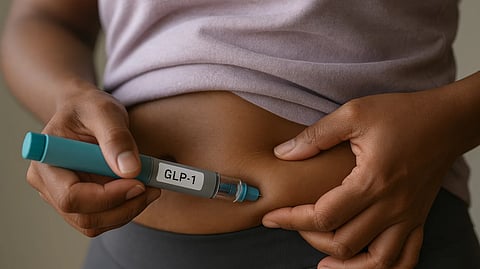
Top medical experts are raising urgent alarms against using GLP-1 as a lifestyle enhancer, highlighting the risk of shortages for high-risk patients. GLP-1 receptor agonists like Ozempic, Wegovy, and Mounjaro are powerful prescription medicines designed for long-term management of chronic conditions like obesity and type 2 diabetes. They're not a quick fix for weight loss or a substitute for healthy lifestyle changes. Multiple domestic pharmaceuticals has launched Semaglutide after the patent expired in India, but since the launch of Semaglutide its massively promoted, it has created risk factors for actual beneficiaries.
Dr Saptarshi Bhattacharya, Senior Consultant Endocrinology, Indraprastha Apollo Hospitals, said, "Recently, the Govt of India and DCGI (Drugs Controller General of India) have issued a warning over the use of GLP-1. E-medicines have been available in India for the past 1-1.5 years, but the Semaglutide molecule has become off-patent recently. GLP-1 is being massively promoted these days as a quick fix for everything. So, Govt stand in this is clear. GLP-1 should not be used as a one-off quick fix for weight loss and diabetes management. GLP-1 and GIP-based treatments are good molecules; they have proven scientific safety and efficacy. But they should be used under medical supervision. Doctor's opinion, doctor's advice are important...It has to be prescribed either by an endocrinologist or an internal medicine doctor."
"If a doctor is prescribing GLP-1, they should have at least a degree in MD Medicine; otherwise, that person is not eligible to prescribe GLP-1. That is very important because it has side effects which can be monitored by specialist doctors...So, these are useful molecules, but they should be used under the supervision of either an endocrinologist or somebody who has a degree in MD internal medicine..." he said further Recently, drug regulators intensified their crackdown on the unauthorised sale of weight loss drugs. Dr. Monika Sharma, Senior Consultant, Endocrinology, Aakash Healthcare, said, "It's a very essential step to ensure the drug gets used by the right patients. Excessive and improper use carries a real risk of complications like gall bladder stones, risk of dehydration and protein malnutrition. Ensuring that the drug is available on prescription by a qualified medical professional will ensure that the public's health is ensured."
On GLP-1 drugs and generic versions, Chairperson, Institute of Liver Gastroenterology & Pancreatico Biliary Sciences, Dr Anil Arora said, "There are a large number of benefits. Only problem with these drugs is they have a limited duration of action, they have a long duration of action, but they will act till the time you are taking the drugs... Like medicines for diabetes or hypertension, these drugs must be taken continuously; stopping them often leads to weight regain, with about a 70% chance of relapse. They were once costly at Rs 16,000-20,000, but after the patent expired, generics entered the market, and prices fell to around Rs 1,000, with many companies now offering them..." Obesity is a complex condition requiring continuous medical supervision. GLP-1 drugs work best with healthy eating and exercise to maintain results and avoid weight regain. Muscle loss, malnutrition, gastrointestinal issues, pancreatitis, and kidney injury are potential side effects. These drugs should only be used under a doctor's consultation


