.png)
'Petrol would have hit Rs 125/litre during the Iran war' | Govt doubles down on E20
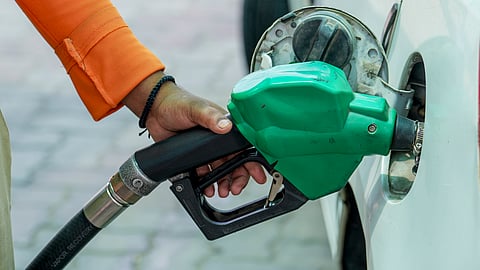
The Centre on Saturday mounted a fresh defence of its E20 ethanol-blended petrol programme, arguing that the policy protected Indian consumers from a sharp rise in fuel prices during the recent US-Iran conflict. Issuing its fourth clarification on the issue within a week amid criticism from sections of vehicle owners and opposition parties, the Petroleum Ministry said ethanol blending prevented petrol prices from soaring when global crude markets were hit by geopolitical tensions.
According to the ministry, crude oil prices briefly climbed to nearly $135 per barrel after Iran blocked the Strait of Hormuz following US-Israeli military strikes. The strategic waterway carries around one-fifth of the world's oil and gas supplies, triggering fears of a major disruption in global energy markets. The ministry said that if petrol had been sold without ethanol blending, retail prices in Delhi could have touched around Rs 125 per litre. Instead, consumers continued to pay about Rs 94.77 per litre, as 20 per cent of the fuel consisted of domestically produced ethanol, cushioning the impact of higher crude prices. It estimated that the blending programme effectively saved consumers close to Rs 30 per litre during the period of heightened volatility.
The government maintained that the E20 programme offers benefits beyond lower import dependence, describing ethanol blending as "India's energy insurance" rather than a subsidy. It acknowledged that E20 fuel may lead to a marginal reduction in mileage but argued that the broader gains—including greater energy security, reduced exposure to international oil price fluctuations and lower crude imports—far outweigh the drawbacks. India currently imports nearly 85 per cent of its crude oil requirements. The ministry also noted that petrol prices remained unchanged for almost two months during the conflict before a Rs 7.5 per litre increase was eventually implemented in May.
Responding to concerns that subsidised foodgrains meant for welfare schemes were being diverted for ethanol production, the ministry said no rice distributed through the Food Corporation of India for the poor is used in the ethanol programme. It also rejected allegations that FCI rice valued at around Rs 37 per kg had been supplied to distilleries at Rs 23 per kg, causing heavy losses to the exchequer. The government said only surplus or unsuitable grain—including damaged stocks and broken rice unfit for human consumption—is approved for ethanol production. It asserted that the policy strengthens farmers' incomes, reduces waste and lowers dependence on imported fuel without compromising the country's food security.


