.png)
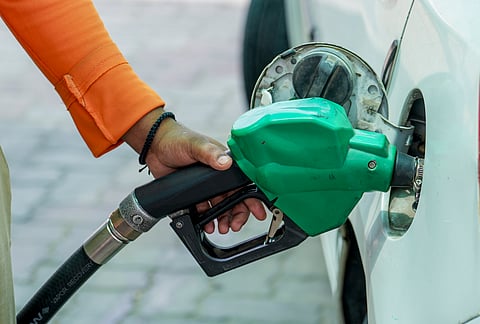
No petrol, diesel price hike for now despite crude oil surge, says government source
Consumers are unlikely to face an immediate increase in petrol and diesel prices despite elevated international crude oil rates, with government sources Wednesday indicating that retail fuel prices will remain unchanged for now.
The assurance comes amid concerns that sustained strength in global crude prices could eventually translate into higher prices at fuel pumps in India, which depends heavily on imports to meet its crude oil requirements. Government sources indicated that the situation was being closely monitored and that there was no decision at present to increase petrol or diesel prices.
No immediate revision
The government’s position provides some relief to households and businesses at a time when movements in international energy prices have raised concerns over their potential impact on inflation and transportation costs.
Petrol and diesel prices in India are formally linked to international product prices and other market factors, with state-owned oil marketing companies — Indian Oil Corporation, Bharat Petroleum Corporation Limited and Hindustan Petroleum Corporation Limited — responsible for determining retail rates.
In practice, however, domestic fuel prices have remained unchanged for extended periods even when international crude prices have fluctuated substantially.
The latest rise in crude has increased the cost of sourcing oil for Indian refiners and put pressure on the margins of oil marketing companies. For now, however, the higher costs are not expected to be passed on to consumers through an immediate increase in pump prices.
Crude pressure builds
India imports more than four-fifths of the crude oil it consumes, making movements in international prices particularly important for the domestic economy. A prolonged increase in crude prices can raise the country’s import bill, put pressure on the rupee and feed into inflation through higher transportation and production costs.
The impact on consumers ultimately depends not only on crude prices but also on refining costs, international fuel prices, the rupee-dollar exchange rate, taxes and the margins available to oil marketing companies.
A sharp or prolonged increase in global oil prices can therefore squeeze the profitability of fuel retailers if domestic pump prices remain unchanged.
The government and oil companies are expected to continue watching international crude prices before taking any decision on retail rates. The duration of the current increase, rather than short-term volatility alone, is likely to be important in determining the pressure on domestic fuel pricing.
Inflation in focus
Keeping petrol and diesel prices unchanged could also help contain broader inflationary pressures. Diesel is particularly important because of its extensive use in road transport, agriculture and commercial activity, meaning a substantial increase can raise freight costs and eventually feed into prices of goods and services.
Petrol prices have a more direct impact on household budgets, particularly for two-wheeler and car users.
For now, government sources have sought to ease concerns that the recent rise in crude prices will automatically result in more expensive petrol and diesel. Any future revision, however, will depend on how global energy markets evolve and whether elevated crude prices persist.


