.png)
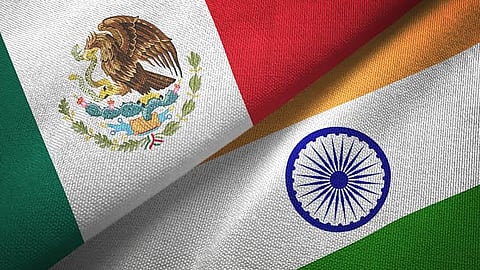
India, Mexico set to begin trade talks amid 50% tariffs on Indian exports
India and Mexico are expected to formally launch negotiations for a preferential trade agreement (PTA) this week as New Delhi seeks to protect its exports from tariffs of up to 50 per cent imposed by the Latin American country.
Officials said the two countries have finalised the terms of reference (ToR) for the proposed agreement and are likely to sign the document in the next couple of days, paving the way for formal negotiations.
The proposed agreement is expected to cover major Indian exports, including automobiles, textiles, footwear, plastics, steel, chemicals and toys, which have been affected by Mexico's revised tariff regime.
Commerce Secretary Rajesh Agrawal is visiting Mexico from Monday as part of a week-long trade mission that also includes Brussels, the headquarters of the European Union.
𝗧𝗮𝗿𝗶𝗳𝗳𝘀 𝗵𝗶𝘁 𝗜𝗻𝗱𝗶𝗮𝗻 𝗲𝘅𝗽𝗼𝗿𝘁𝘀
The proposed trade agreement comes against the backdrop of Mexico imposing higher import duties on 1,463 products originating from countries that do not have preferential trade arrangements with it.
The revised tariffs, ranging up to 50 per cent, came into effect on January 1, 2026, affecting several major Indian export categories.
These include automobiles, textiles and clothing, plastics, steel, household appliances, aluminium, toys, furniture, footwear, leather goods, paper and cardboard, motorcycles, trailers and glass products.
Mexico introduced the measures under a decree linked to its economic development programme, which seeks to increase domestic content in production chains by 15 per cent by 2030.
The programme, launched in January 2025, aims to strengthen domestic manufacturing, create 1.5 million jobs and position Mexico among the world's 10 largest economies by 2030.
𝗣𝗧𝗔 𝘀𝗲𝗲𝗻 𝗮𝘀 𝗳𝗮𝘀𝘁𝗲𝗿 𝗿𝗼𝘂𝘁𝗲
Officials indicated that the proposed agreement would focus primarily on preferential trade in goods, rather than a comprehensive free trade agreement covering a wider range of economic activities.
Trade experts believe a PTA could provide a quicker mechanism for addressing the tariff challenges faced by Indian exporters.
Unlike a free trade agreement, which generally seeks to eliminate duties on a broad range of products, a preferential trade agreement provides reduced tariffs on selected goods agreed upon by participating countries.
The proposed arrangement could therefore help Indian exporters regain competitiveness in the Mexican market without waiting for a comprehensive trade agreement.
𝗔𝘂𝘁𝗼𝗺𝗼𝗯𝗶𝗹𝗲𝘀 𝗮𝗺𝗼𝗻𝗴 𝗸𝗲𝘆 𝘀𝗲𝗰𝘁𝗼𝗿𝘀
India's merchandise exports to Mexico stood at USD 5.73 billion during 2025-26, with automobiles accounting for the largest share at USD 1.92 billion.
Other major exports include automobile components, pharmaceuticals, engineering goods and chemical products.
The higher Mexican tariffs have raised concerns among Indian exporters, particularly those supplying automobiles and related components, as increased import duties could affect their competitiveness.
The proposed PTA is expected to provide preferential market access for selected products and help reduce the additional costs arising from the revised tariff structure.
𝗕𝗶𝗹𝗮𝘁𝗲𝗿𝗮𝗹 𝘁𝗿𝗮𝗱𝗲 𝗮𝘁 𝗨𝗦𝗗 𝟳.𝟴𝟯 𝗯𝗶𝗹𝗹𝗶𝗼𝗻
According to government data, bilateral merchandise trade between India and Mexico stood at approximately USD 7.83 billion in 2025-26.
While India's exports to Mexico were valued at USD 5.73 billion, imports from the Latin American country amounted to around USD 2.1 billion.
Crude oil accounted for nearly three-fourths of Mexico's exports to India. Other products included gold and related jewellery, along with chemical compounds.
The proposed preferential trade agreement is expected to establish a framework for improving market access and strengthening commercial ties between the two countries.
Formal negotiations will begin after the terms of reference are signed, with both sides expected to identify products eligible for preferential tariff treatment.
