.png)
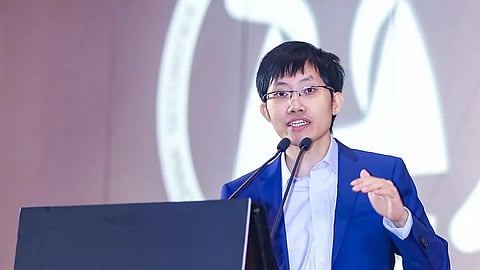
DeepSeek founder Liang Wenfeng's wealth hits $55 billion after $15 billion funding round
DeepSeek founder Liang Wenfeng has become the world's richest creator of artificial intelligence models, with his estimated net worth rising to $55 billion after the Chinese start-up completed a major fundraising round.
The 41-year-old entrepreneur owns a 67.4% stake in the Hangzhou-based company, according to corporate registry filings. His fortune has more than tripled since the beginning of the year, based on the Bloomberg Billionaires Index.
DeepSeek's latest funding round raised approximately 100 billion yuan, or $15 billion, giving the company an estimated valuation of around $86 billion. The company is preparing for a possible initial public offering next year.
Liang's wealth outpaces US AI founders
Born in 1985, Liang has widened the gap between his fortune and those of leading US artificial intelligence company founders.
His estimated wealth is more than twice that of OpenAI co-founder Greg Brockman, whose net worth stood at approximately $25.5 billion as of Friday. Anthropic chief executive Dario Amodei was valued at around $22 billion at the end of last week, following the company's listing.
Liang's wealth is largely linked to his controlling stake in DeepSeek. However, his ownership has declined from 81.65% in June to 67.4% following the latest fundraising, according to registry filings.
DeepSeek was founded in 2023 as an offshoot of the artificial intelligence research team at Zhejiang High-Flyer Asset Management. Liang had established the quantitative hedge fund with two university classmates, with the group beginning its trading activities during the global financial crisis.
Chinese billionaires deepen their investment in DeepSeek
The latest fundraising has attracted substantial backing from some of China's wealthiest business leaders. Corporate records compiled by data aggregator Qichacha have revealed personal investments in DeepSeek by at least five other Chinese billionaires.
Robin Zeng, founder of battery manufacturer Contemporary Amperex Technology Co, has acquired a personal stake of 0.18% in DeepSeek, valued at approximately $154.6 million. This investment is separate from the investment made by his company.
Nongfu Spring founder Zhong Shanshan, who participated in an earlier funding round, holds a 0.08% stake in the AI start-up. His shareholding is currently estimated to be worth around $70.6 million.
The investment surge underlines the growing interest among China's industrial and financial heavyweights in DeepSeek, which has emerged as a major player in the country's artificial intelligence ambitions.
DeepSeek's reported UN Security Council invitation
DeepSeek was also reported to have been invited to brief the United Nations Security Council on the risks posed by artificial intelligence during a meeting held in September, when world leaders gathered in New York for the annual UN General Assembly.
The 15-member council was scheduled to discuss AI and international security on September 23. OpenAI chief executive Sam Altman and Anthropic chief executive Dario Amodei were among the expected participants, while Chinese AI companies DeepSeek and Moonshot were reportedly invited to make statements.
However, the official record of the meeting lists briefers including Altman, Amodei, artificial intelligence researcher Yoshua Bengio and Hugging Face chief executive Clément Delangue. DeepSeek was not listed among the speakers in the published record.
The Security Council first discussed the potential dangers of artificial intelligence in 2023. At the time, China warned that the technology should not become a “runaway horse”, while the United States cautioned against its possible use to censor or repress people.
The council's discussions reflect growing international concern about the security implications of increasingly powerful AI systems and the need for safeguards as the technology advances.


